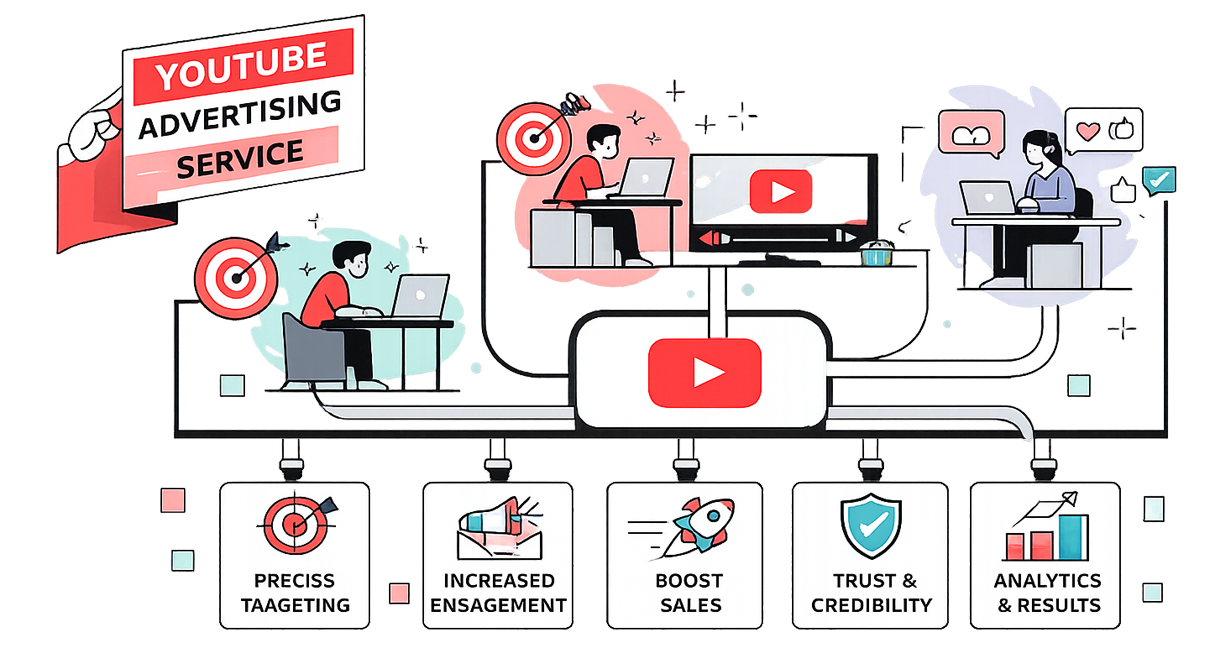
YouTube is a major force in the field of digital advertising. It is the second-largest search engine in the world, with more than two billion monthly users. But there are drawbacks to the sheer amount of content. You're effectively shouting into a void if your targeting isn't surgical, and you'll be wasting your budget in the process.
To get the most out of your YouTube ad spend, you need to stop thinking about "views" and start thinking about "intent." Here is how you can sharpen your strategy to reach the people who actually want to hear from you.
1. Leverage Intent-Based Targeting
The most powerful tool in your arsenal is Google's In-Market Audiences. This feature allows you to target users who have recently shown interest in your product or service through their search history and site visits.
If you are selling high-end hiking boots, don't just target "Outdoors." Target users who have recently searched for "best hiking trails," "camping gear reviews," or "waterproof trekking shoes." These users have already moved past the discovery phase and are in the consideration phase, making them much more likely to convert.
2. Get Granular with Affinity Audiences
While in-market audiences focus on intent, Affinity Audiences focus on identity. This is based on long-term interests, hobbies, and lifestyle choices.
If your brand has a specific "vibe," use affinity targeting to find your tribe. Coffee subscription brands might target "Coffee Aficionados," while fitness apps might target "Marathon Runners." By combining affinity data with other targeting layers, you ensure your ads are shown to people who align with your brand's core values and interests.
3. Don't Sleep on Customer Match
One of the most underutilized strategies is the Customer Match feature. You can upload a list of your existing customers' email addresses to Google, and YouTube will find those people (or similar ones) across the platform.
Why is this effective? Because it allows you to:
- Upsell: Show existing customers a new product line.
- Retarget: Reach people who visited your site but didn't complete a purchase.
- Lookalikes: Use your customer list to build "Similar Audiences," allowing YouTube's algorithm to find new viewers who share the same characteristics as your best buyers.
4. Placement Targeting: The "Sniper" Approach
If you want total control, use Placement Targeting. Instead of letting Google decide where your ad appears, you choose the specific YouTube channels or even individual videos where you want your ads to run.
If you are a B2B tech company, placing your ads before a popular industry-specific podcast or a high-traffic tutorial video is a goldmine. You know exactly what content the viewer is watching, allowing you to tailor your ad copy to provide a solution to their immediate context.
5. Always Refine with Analytics
Targeting is not a "set it and forget it" task. Check your YouTube Analytics dashboard regularly. Look for the "Audience" tab to see which age groups, geographic locations, and interests are performing best.
If you notice that 25-to-34-year-olds are clicking but not converting, while 35-to-44-year-olds are converting at a high rate, adjust your bid adjustments accordingly. Move your budget toward the audiences that deliver the best Return on Ad Spend (ROAS).
Final Thoughts
YouTube ads are highly effective because they allow for a perfect marriage of sight, sound, and motion. But even the most creative commercial will fall flat if it lands in front of the wrong eyes.
By combining intent-based data, intentional placements, and constant optimization, you turn YouTube from a simple video platform into your most effective customer acquisition channel.